


nbn's $125,000 grant pool pays $15,000 a winner, closes 12 October
The Innovate with nbn Grants Program pays seven $15,000 grants and one $20,000 Champion Award for regional digital projects. Applications close 12 October.
← All insights · By Helm Intelligence · 8 October 2026 · Rounds
She pencilled in rent and a part-time receptionist first.
She runs a small physio practice in a regional town. The newsletter in her inbox said "up to $125,000" for regional businesses using the nbn network, and she did the sums on the spot. She's a composite, built from versions of this story we've heard more than once, but the arithmetic is real. Then she opened the application page on innovatewithnbn.com.au, and the number dropped to $15,000. That money is tied to one project, has to be spent by a deadline and needs a report at the end.
That's the Innovate with nbn Grants Program in 2026. Applications close at 11:59pm AEDT on 12 October 2026, five days from today. If you're thinking of applying, here's what nbn's own pages say and where the reposts get it wrong.
Where the $125,000 actually goes
The $125,000 is the total pool. nbn's campaign page on nbnco.com.au splits it into seven category winners at $15,000 each, plus one Champion Award of $20,000. The application page at innovatewithnbn.com.au gives the same structure. Seven lots of $15,000 make $105,000, and the $20,000 brings it to $125,000.
No single applicant gets anywhere near $125,000. A headline that says "up to $125,000" is quoting the whole pool as if it were the prize.
The pool has grown over time. nbn's 2021 media statement describes a $95,000 pool with $10,000 category awards. The category list has changed too, which matters more than it sounds. More on that below.
nbn co runs the program with the Regional Australia Institute, and 2026 is its seventh year. Applications opened at 9:00am AEST on 1 September 2026. Winners are announced on 16 November 2026.
The money is for one project, not the business

This is where the physio's pencil marks came unstuck. The application page states that grant money must be spent on the project described in the application. It has to be spent by 31 December 2027, and the acquittal report is due by 30 January 2028 at the latest.
Rent isn't a project, and neither are a receptionist's wages. If her project were telehealth consults and online bookings running over her nbn connection, the budget would describe that work and the money would follow it. The grant pays for the project you describe. It doesn't pay to run the business.
That changes how you write the application. For $15,000, the test is whether your project is concrete enough to fit the money. You need a defined piece of digital work, a budget that adds up to it and a way to show at the end that it did what you said it would.
The timeline suits a specific project. About thirteen months to spend $15,000, with a report a month after that, is plenty of time for something with edges. It's an awkward fit for something vague, because the acquittal report is where vague projects come unstuck.
Who can enter, and the 2026 categories
nbn's campaign page lists five entry conditions:
- connected to the nbn network
- located in regional Australia
- an ABN
- an Australian bank account under that ABN
- applying in one category only
The application page repeats those conditions and adds exclusions. Associates of nbn or the program partner are out, along with past grant recipients and anyone who has been bankrupt or insolvent in the last five years. If your organisation won in an earlier year, that line is about you.
Community organisations should check the five conditions against their own set-up before planning anything, especially the ABN and the bank account held under it.
The 2026 categories are:
- AgTech and Environment
- Arts, Culture & Tourism
- Education
- First Nations Business
- Health and Wellbeing
- Innovation for Productivity
- Women in Regional Business
Innovation for Productivity is new this year. Some reposts still list Sports & Recreation and Indigenous Business, which aren't on the 2026 list. Indigenous Business appears in nbn's 2021 statement, and nbn added Sport & Recreation as a category in 2025. An application written for a category that no longer exists starts behind. Pick one category from the current list and write the whole application for it.
That's the practical reason to read nbnco.com.au and innovatewithnbn.com.au rather than the summary someone forwarded you. Reposts copy last year's wording. The program's own pages don't.
What to settle this week
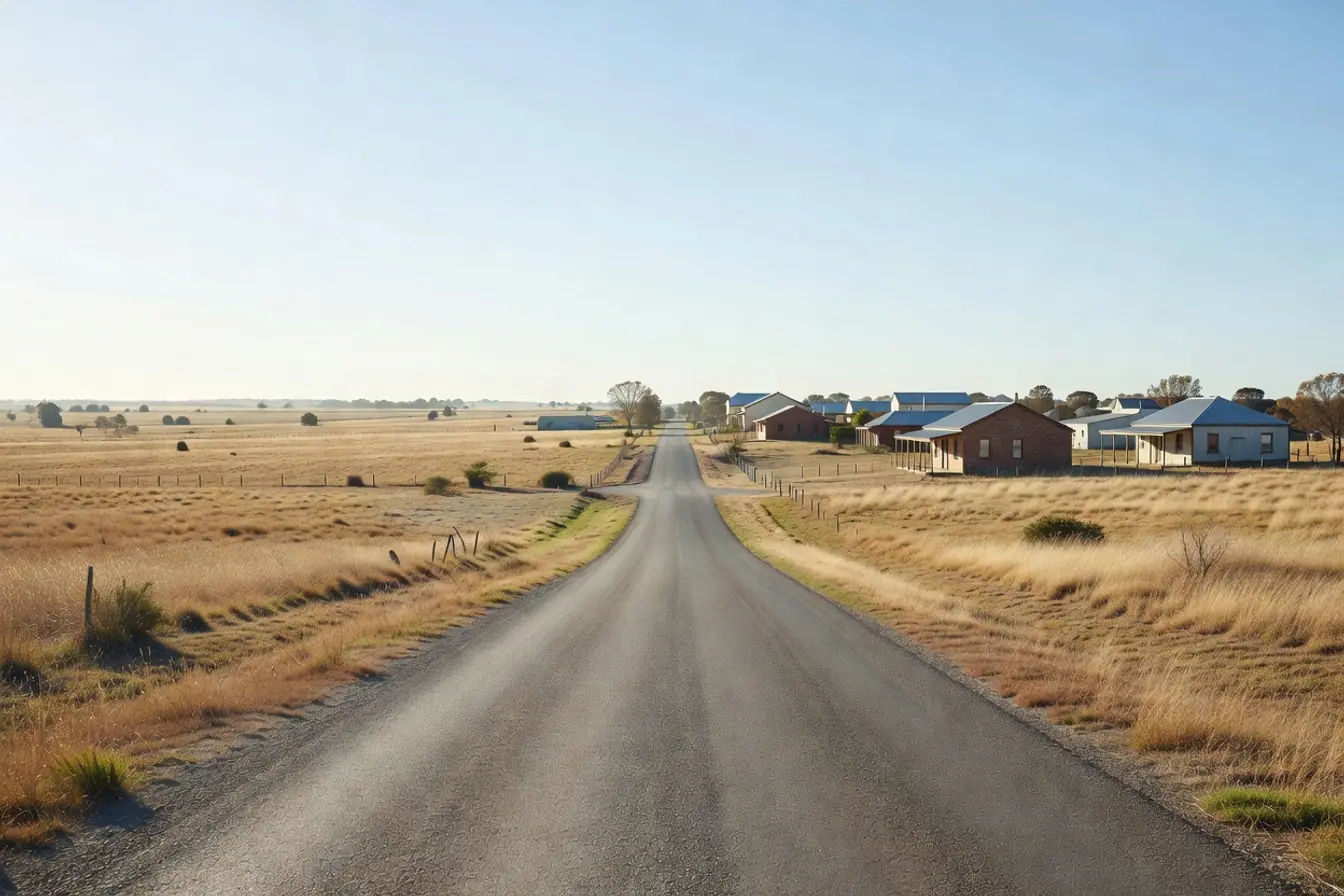
One caution, and it's the one that can cost you an evening. If you're unsure whether your town counts as regional, ask the program before you start work on the application. A week is enough time to ask the question. It isn't enough time to write an entry and find out afterwards that it doesn't count.
A sensible order for the next seven days:
- Confirm you meet the five entry conditions and none of the exclusions.
- Settle the regional question with the program if there's any doubt.
- Choose one 2026 category.
- Write the project in one paragraph: what it is, what it runs on and who uses it.
- Build a budget that adds up to $15,000 and lists measures you could report on in January 2028.
- Submit well before 11:59pm AEDT on 12 October, not at 11:50pm.
Where Helm Grants fits
You can do every step above by hand. Or you can have the scoring, the dates and the first draft done for you. Paste a round like this one into Helm Grants and it becomes a full workspace, scored against your organisation with every point itemised. If the round's own text plainly rules out your type of organisation, Helm Grants scores it low and tells you why, so you don't spend writing time on it. It never asserts eligibility, and you make the call.
It reminds you 7, 3 and 1 days before a round closes, so even a week out you still get the last two. Its AI drafts under cite-or-confirm rules, and anything it can't source is marked for you to confirm. You review the draft, own it and submit it yourself. Helm Grants never submits an application for you and never predicts funding.
See the grant rounds that fit your organisation at https://helmgrants.com.au/?utm_source=web&utm_medium=insights&utm_campaign=helm-grants
Questions this raises
Sources
- nbn: Innovate with nbn Grants Program campaign page
- Innovate with nbn: Apply
- nbn: Innovate with nbn Grants Program terms and conditions
- nbn media statement (2021): Innovate with nbn grants open for regional and remote businesses across Australia
- Darwin Innovation Hub: Innovate with nbn Grants Program now open
Join the conversation on LinkedIn →


#Regional Australia#Small business grants#Innovate with nbn#Digital projects#Grant deadlines