
A twelve-month grant window is not twelve months of funding
Business Queensland's monsoon trough recovery round runs to May 2027 or until funds are exhausted. Treat the pool, not the date, as the deadline.
← All insights · By Helm Intelligence · 14 October 2026 · Rounds
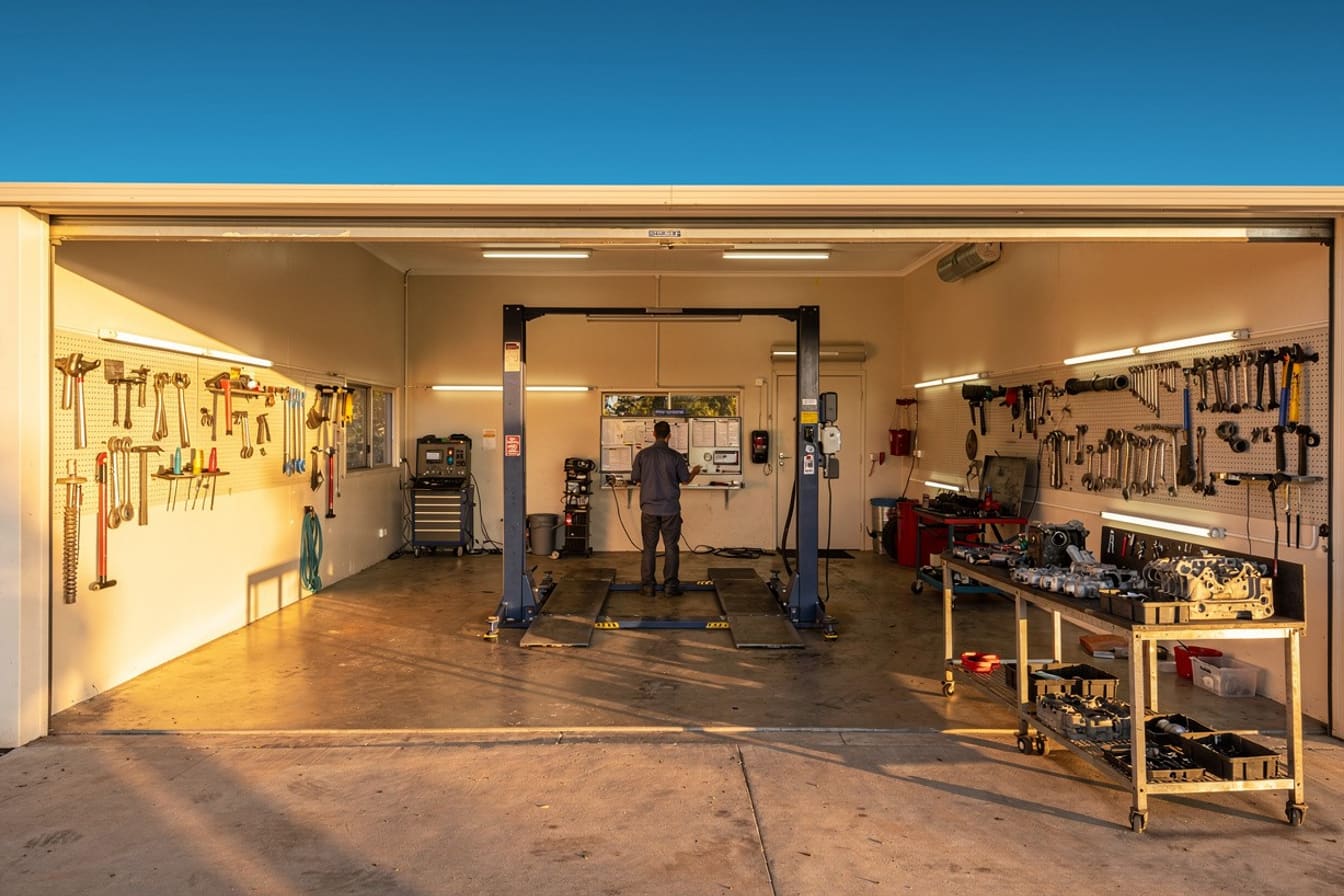
Six weeks after the water went down, the mechanic's shed in a far north Queensland town is usable again. The hoist isn't. She's heard a recovery grant is open until May next year. She decides the paperwork can wait until the busy season eases and leaves the page sitting in a browser tab.
She's a composite, built from the conversations that happen in every flood-hit town. But the reasoning is real, and so is the mistake in it.
The mistake isn't pacing herself. That makes sense when you're still hosing silt out of a workshop. The mistake is treating a closing date as a promise that the money will still be there on the day she gets to it.
What the Business Queensland page says
Business Queensland's Small Business Recovery Assistance Grant Program for the 2025 Queensland Monsoon Trough opened at 9am on 5 May 2026. It's listed to close at 5pm on 5 May 2027, or earlier if the allocation is exhausted. That's twelve months, near enough to the hour.
It's easy to read the date and skip the second condition. The round closes on the stated date or when the funds run out, whichever comes first.
Now look at the size of the pool. The Queensland Reconstruction Authority records the program value at $0.99 million. A Queensland Ministerial Media Statement of 5 May 2026 puts the pool at $990,000, with up to $15,000 per business. Business Queensland's page states that the $15,000 is excluding GST. If every grant were paid at the maximum, the pool would cover 66 businesses.
The Queensland Reconstruction Authority and the ministerial statement both describe the program as jointly funded by the Australian and Queensland governments under the Disaster Recovery Funding Arrangements. The Department of Customer Services, Open Data and Small and Family Business administers it.
Why recovery grant windows run for a year
A twelve-month window isn't the government being generous with the calendar. It reflects the fact that damage shows up slowly.
The event period behind this round ran from 24 December 2025 to 24 April 2026. It covers the Queensland Monsoon Trough, Cyclone Koji, Cyclone Narelle and severe weather. That's four months of weather, and the consequences didn't stop when the last system cleared.
A roof looks fine until the next decent rain. Wiring that sat wet can pass a quick look and fail months later. Stock losses show up in the June numbers, not the April ones. A business can be a full quarter past the event before it knows what the event cost.
So the year is there to catch damage that surfaces late. It isn't there to signal that a year's worth of money is waiting.
That changes what you do with the time. Pacing yourself means preparing your evidence properly. It doesn't mean waiting for a quiet week.
A full-year window can run its course
There's another side to this. Long windows do sometimes run the full year.
Business Queensland's closed grants page records the previous round, the Small Business Recovery Assistance Grant Program for the 2025 Western Queensland Floods. It opened on 21 August 2025 and closed on 21 August 2026. Business Queensland tied that round to the Western Queensland Surface Trough event of 21 March to 19 May 2025, and it ran the whole twelve months. It's closed now and isn't an option for anyone.
So a year-long window can go the distance. That tells you nothing about the current round either way. It's a different event, a different footprint, and a different number of businesses drawing on the pool.
What it does show you is how to plan. The closing date is the latest you can apply. The pool is what actually limits you. When one of those is fixed and the other can run out, plan around the one that can run out.
Recovery applications are an evidence job
Nobody talks enough about the fact that recovery applications test your evidence, not your writing.
Applications for this round go through SmartyGrants. Business Queensland's page calls for a 100-point identification check, full bank statements, photos showing the disaster impact and documentation of the expenses being claimed. The published criteria describe businesses with:
- fewer than 20 employees by headcount
- annual turnover of $10 million or less
- an active ABN and GST registration at both the time of the disaster and the time of application
- either closed for at least 14 consecutive days, or at least 70% less revenue than the same 14-day period in the previous year.
That last criterion is a comparison, not a feeling. You'll need this year's fortnight and last year's fortnight side by side, from the bank statements, before anyone else looks at them.
Now think about how long each piece takes to find. Photos of how high the water came. Quotes for the hoist. Invoices for the emergency electrician who came out on a Sunday. Statements showing the fortnight the till went quiet, and the matching fortnight from twelve months earlier.
Every one of those is easier to pull together in the weeks after the event than in the tenth month. Photos get deleted off phones. The tradie who did the make-safe work moves towns. Right now the 14 days of reduced revenue are obvious to you. Later you'll be piecing them back together from statements.
The steps are unglamorous:
- Pull the damage photos off every phone on site and put them in one shared folder, with the dates intact.
- Collect quotes and invoices for repairs and replacements as they come in, not at application time.
- Note the exact dates trading stopped or dropped, and check them against your bank statements while you still remember which week was which. Pull the same dates from last year while you're in there.
- Check your ABN and GST details are current before you open the form, not halfway through it.
- Read the round's own criteria, including the areas it names, and decide for yourself whether your situation matches what they describe.
None of that needs a quiet week. It needs a folder and twenty minutes at a time.
Hearing about the round in time
The mechanic's real problem was never the date. She heard about the round from a customer, six weeks in. Plenty of businesses hit in the same event period will hear about it later than that, or never.
Helm Grants brings Queensland rounds like this one into one feed with federal, Brisbane and NSW Government rounds. It scores each round against what your organisation actually does, itemises every point, and shows who got funded before on every Queensland round. It tracks opening and closing dates and reminds you 7, 3 and 1 days before a round closes, so a browser tab isn't all that stands between you and the deadline. It never tells you a round fits and never submits for you. It shows you what the round's own text says, and the decision and the application stay yours.
See the grant rounds that fit your organisation at https://helmgrants.com.au/?utm_source=web&utm_medium=insights&utm_campaign=helm-grants
If your business was hit between December and April, don't ask when the round closes. Ask which piece of evidence you'd struggle to produce today, and how long it'll take to get it.
Questions this raises
Sources
- Business Queensland: Small Business Recovery Assistance Grant Program - 2025 Queensland Monsoon Trough
- Queensland Reconstruction Authority: Small Business Recovery Assistance Grants 2025-26 flooding and severe weather
- Queensland Ministerial Media Statement, 5 May 2026
- Business Queensland: closed grants
- Business Queensland: Small Business Recovery Assistance Grant Program - 2025 Western Queensland Floods
Join the conversation on LinkedIn →

#Queensland grants#disaster recovery#small business#Business Queensland#grant deadlines